- Jan 9, 2026
Microneedling for Menopausal Skin: Your Science-Backed Guide to Collagen Revival
You've watched your skin change seemingly overnight. The firmness you took for granted at 38 is gone by 48. Your moisturizer sits on the surface instead of sinking in. Fine lines that weren't there last year are now permanent residents around your eyes and mouth. And every skincare routine you try feels like you're pouring water into a bucket with a hole in the bottom.
Here's what nobody told you: Your hormones changed—and they took your collagen production down with them. When estrogen levels drop by 60% during the first five years of menopause, your skin loses up to 30% of its collagen. That's not a skincare problem. That's a biology problem.
But here's the promise: microneedling offers a science-backed solution that works with your changing biology, not against it. In this guide, you'll discover how microneedling stimulates your skin's natural collagen production, why it's particularly effective for menopausal skin, what results to realistically expect, and how to navigate the treatment and recovery process with confidence.
Why Does Menopause Wreak Havoc on Your Skin?
Your skin changes during menopause aren't random—they're the direct result of hormonal shifts that alter your skin's fundamental structure. Estrogen plays a crucial role in stimulating fibroblasts, the cells that produce collagen and elastin. When estrogen declines, collagen production drops by approximately 2.1% per year, while skin thickness decreases by 1.1% annually.
This explains why your skin suddenly feels thinner, more fragile, and prone to that dreaded "crepey" texture. Ceramide production—the lipids that form your skin's moisture barrier—also decreases by 25%. The result? Your skin can't hold moisture like it used to, leading to the confusing combination of dryness and sensitivity that so many women experience.
Think of your skin barrier like a brick wall. Collagen provides the structure, while ceramides act as the mortar holding everything together. When both decline simultaneously, water escapes more easily, irritants penetrate more readily, and your skin loses its bounce and resilience.
The bottom line: Your skin isn't failing you. It's responding exactly as biology dictates when hormones shift. Understanding this is the first step toward choosing treatments that actually work.
What Is Microneedling and How Does It Work?
Microneedling, also known as collagen induction therapy, is a minimally invasive treatment that uses ultra-fine needles to create controlled micro-injuries in your skin. Before you cringe at the word "injuries," understand this: these tiny punctures are strategic, not destructive.
When your skin detects these micro-injuries, it launches its natural wound-healing cascade. This triggers three powerful processes:
Collagen synthesis: Your fibroblasts kick into high gear, producing fresh collagen and elastin fibers. Research shows microneedling can increase collagen production by up to 46%.
Neovascularization: New blood vessels form, improving circulation and nutrient delivery to your skin cells.
Tissue remodeling: Over the following weeks and months, your skin literally rebuilds itself from within, creating firmer, smoother, more resilient tissue.
Here's what makes this particularly powerful for menopausal skin: microneedling essentially tells your skin to "act younger again". Even though your estrogen levels have declined, the controlled injury response bypasses that hormonal limitation and stimulates collagen production through a different biological pathway.
Why Microneedling Is Particularly Effective for Women in Their 40s, 50s, and 60s
Microneedling addresses the specific challenges menopausal skin faces in ways that topical products alone simply cannot.
It combats rapid collagen loss. While women lose 30% of their collagen in the first five years after menopause begins, microneedling triggers continuous collagen formation for up to 5-7 years after treatment. This long-term collagen stimulation helps counteract the accelerated loss that happens during the menopausal transition.
It restores firmness and texture. Clinical studies of women aged 40-65 showed marked improvements in both skin hydration and elasticity when microneedling was incorporated into their treatment plans. One study of 25 women demonstrated significant improvements not only in wrinkles but also in age-related hyperpigmentation.
It supercharges your skincare products. Remember that moisture barrier problem? Microneedling creates microchannels that remain open for 72-120 hours, allowing your serums and treatments to penetrate up to 300 times more effectively than normal application. Suddenly, that expensive serum you've been using actually reaches the deeper skin layers where it can make a real difference.
It's safer for mature skin than many alternatives. Unlike aggressive laser treatments, microneedling carries a significantly lower risk of post-inflammatory hyperpigmentation—a critical consideration for women with aging skin that's already more reactive and sensitive.
What Results Can You Realistically Expect?
Let's talk timelines and realistic outcomes, because understanding what to expect helps you stay committed through the full treatment process.
Short-term (first 7 days): Immediately after treatment, expect redness similar to a mild sunburn, along with some swelling. This typically subsides within 24-72 hours. By day 3-7, you'll notice a fresh glow as your skin begins its healing process.
Medium-term (2-4 weeks): This is when you'll start seeing initial improvements in skin texture and tone. Your skin will look smoother, pores may appear smaller, and that "plumped" look begins to emerge.
Long-term (2-3 months): Peak results appear around the 2-3 month mark as new collagen matures. Clinical studies show that a series of 3-5 microneedling treatments spaced 4-6 weeks apart can reduce the appearance of wrinkles and improve skin texture significantly.
Ongoing benefits: Here's the remarkable part—collagen remodeling continues for months and even years after your treatment series. Results typically last 4-6 months for women in their 40s and 50s, and 3-4 months for those 60 and older.
One study tracking women through a complete treatment series found that hydration improved, elasticity increased, and the melanin index decreased—meaning both moisture levels and pigmentation issues showed measurable improvement.
How Often Should You Get Microneedling?
For general skin rejuvenation and anti-aging concerns, dermatologists typically recommend starting with a series of 3-5 treatments spaced 4-6 weeks apart. This frequency aligns with your skin's natural regeneration cycle, allowing sufficient healing time between sessions while maintaining consistent collagen stimulation.
After your initial series, maintenance treatments every 6-12 months help sustain your results and counteract ongoing age-related collagen decline. Think of maintenance sessions as "tune-ups" that keep your collagen production actively working for you.
Age matters: Women in their 40s often respond beautifully with sessions every 6-8 months for maintenance, while those in their 60s may benefit from slightly more frequent treatments (every 3-4 months) due to slower natural collagen production.
The Critical Importance of Post-Treatment Skincare
Your skin is in active healing mode for several days after microneedling, which means your post-treatment routine can make or break your results. Those microchannels that boost product absorption work both ways—they'll absorb beneficial ingredients more deeply, but they'll also react more intensely to harsh or irritating products.
What to absolutely avoid for 48-72 hours:
Retinol and vitamin C serums (your skin is already stimulated; these will cause excessive irritation)
Exfoliants, glycolic acid, and alpha-hydroxy acids
Makeup, especially applied with previously-used brushes (infection risk)
Swimming pools, saunas, and intense workouts that cause sweating
Direct sun exposure
What your skin needs instead:
Hyaluronic acid: Helps stimulate collagen production and provides deep hydration
Collagen-stimulating peptides: Support the healing process and maximize new collagen formation
Aloe vera: Provides soothing, anti-inflammatory relief
Gentle, fragrance-free cleanser: Wash only with cool water and pat dry—no rubbing
Simple moisturizer: Look for minimal, natural ingredients
This is exactly where the Glow Wizard App becomes invaluable. Instead of second-guessing whether your favourite serum is safe to use post-treatment, you can simply scan it in the app to check ingredient compatibility. The app's Product Compatibility Checker analyzes your entire routine against post-microneedling protocols, so you know exactly what's safe to use and when to reintroduce your active ingredients.
Navigating Product Confusion After Your Treatment
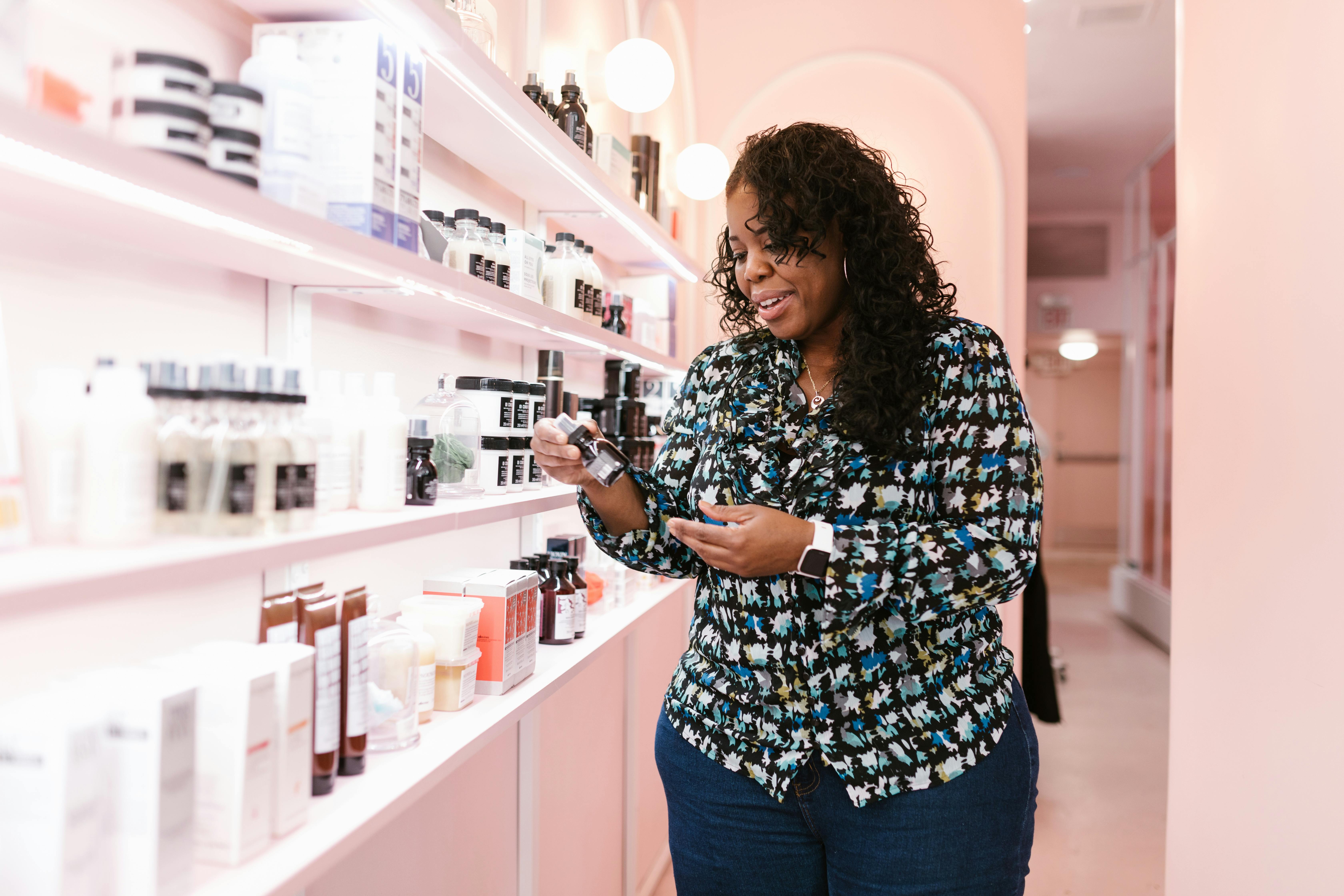
One of the biggest frustrations women face after microneedling is the overwhelming—and often conflicting—advice about what products to use. Your aesthetician recommends one line. Your dermatologist suggests another. Instagram influencers swear by a third option. And you're left wondering which peptide serum or growth factor formula is actually worth the investment.
This product paralysis is real, and it's expensive. Many women end up with a bathroom cabinet full of half-used serums because they couldn't figure out what actually worked for their healing skin.
The Glow Wizard App's smart recommendation system takes the guesswork out of this process. After logging your microneedling treatment in the app's Treatment Calendar, you'll receive personalized product recommendations based on where you are in your recovery timeline—gentle, barrier-supporting products for days 1-3, then gradually reintroducing active ingredients as your skin heals. No more trial-and-error. No more wasted money on products that sit unused because you're afraid they'll irritate your sensitized skin.
Is Microneedling Safe? Understanding Risks and Contraindications
Microneedling is generally considered a safe, well-tolerated procedure with a strong safety profile. However, like any cosmetic treatment, it's not appropriate for everyone.
You should avoid microneedling if you have:
Active acne lesions or inflammatory breakouts
Active herpes simplex or localized infections
Moderate to severe eczema or psoriasis in the treatment area
A history of keloid scarring
Are immunosuppressed or currently undergoing chemotherapy
Pregnant or breastfeeding women should consult their healthcare provider before proceeding.
Common, expected side effects include:
Redness and mild swelling (typically 1-3 days)
Skin flaking as healing progresses
Minor skin irritation immediately following treatment
Microneedling vs. Other Anti-Aging Treatments: How Does It Compare?
You've probably heard about fractional lasers, chemical peels, and radiofrequency treatments. So how does microneedling stack up?
Microneedling vs. Fractional CO₂ Laser: Studies comparing the two found that microneedling showed better improvements in pore size and skin lightening, with less pain and lower cost. Both are effective, but microneedling offers a gentler approach with comparable results and fewer risks for darker skin tones.
Microneedling vs. Chemical Peels: While chemical peels excel at surface-level concerns like texture and tone, microneedling addresses deeper structural issues by stimulating collagen in the dermis. For aging concerns related to collagen loss, microneedling provides more comprehensive, longer-lasting benefits.
Microneedling vs. Hormone Replacement Therapy (HRT): HRT addresses collagen loss systemically by restoring estrogen levels, while microneedling provides localized collagen stimulation without systemic hormone changes. Many women successfully combine both approaches for comprehensive skin support during menopause.
The key advantage of microneedling? It's minimally invasive, comes with few side effects, and is generally safe for most skin types and tones. Results are gradual and natural-looking—you won't appear "overdone" or artificially tight.
Building Your Post-Microneedling Skincare Strategy
After investing in microneedling, the last thing you want is to undermine your results with the wrong products. Yet this is where many women stumble. You've got microchannels that can absorb ingredients up to 3,000% more effectively—but what should you be feeding your skin?
This is where having a personalized, data-driven approach makes all the difference. The Glow Wizard App doesn't just tell you what ingredients to look for—it analyzes your specific skin profile, your hormonal stage, your treatment history, and your individual sensitivities to create a customized product roadmap.
Track your microneedling sessions in the app's Treatment Calendar, photograph your results with the AI Face Scan for objective progress tracking, and receive real-time guidance on when to reintroduce retinol, vitamin C, and other active ingredients. Instead of generic advice from the internet, you get protocols tailored to your skin's unique healing timeline and biology.
Your Skin Didn't Change Because You Did Something Wrong
Let's circle back to where we started: your skin changed because your hormones did. The 30% collagen loss, the compromised moisture barrier, the sudden sensitivity—none of it is your fault. You didn't use the wrong products for 20 years. You didn't fail to "take care of yourself." Your skin is responding exactly as biology dictates when estrogen declines.
Microneedling offers a science-backed pathway to stimulate collagen production even in a low-estrogen environment. It works with your body's natural healing response to rebuild structure, restore firmness, and improve the effectiveness of every product you apply. The research is clear: women in their 40s, 50s, and 60s see measurable improvements in skin texture, hydration, elasticity, and pigmentation when microneedling becomes part of their skincare strategy.
This isn't about "turning back the clock" or "fighting aging." It's about supporting your skin through a major biological transition with treatments that actually work.
Ready to take control of your menopausal skin journey? Join The Glow Lounge community for weekly expert Q&As, science-backed skincare protocols, and peer support from women who truly understand what you're experiencing. Plus, get early access to the Glow Wizard App beta—your personalized menopause skincare intelligence companion. Join The Glow Lounge here and never navigate skin changes alone again.
Want to chat skincare with us?
Join the Glow Wizard community — get personalized advice & exclusive tips!